Steps to Get More Viewers on Twitch in 2026

Twitch isn’t fair. But you can outsmart it.
You could be hilarious, cracked at your game, and put out fire content every stream and still sit at 3 viewers. It’s not because you suck. It’s because Twitch doesn’t reward effort. It rewards visibility.
And right now? The algorithm’s playing favorites. It pushes streamers who already have hype. It pushes clips that pop off. And it pushes people who know how to work the system.
Here are 29 real, tactical steps, from branding to bots that actually help small streamers grow in 2026. We’ll show you what works, what’s a waste of time, and how tools like ViewBotter give you a head start when you’re stuck at the bottom.
What Is Counted as a View on Twitch?
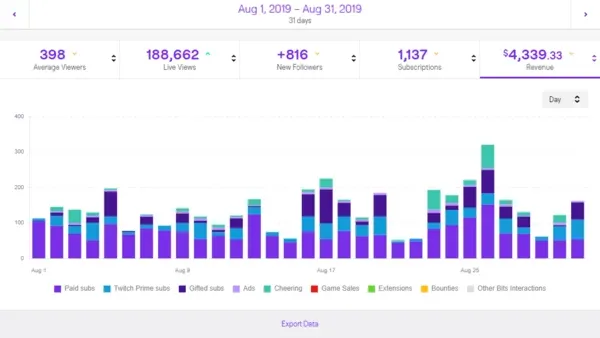
A view on Twitch means someone is watching your live video; that’s it. They don’t need to be logged in, chatting, or even have the tab in focus. If your stream is playing, they count.
Even if the stream is muted, minimized on mobile, or running in a background tab, it still counts as a view.
But here’s where it gets confusing:
- Users in Chat = people watching your stream (logged in or not)
- Users in Chat = logged-in users connected to chat (even if not watching)
If 150 signed-in users and 50 guests watch your stream, your View Count shows 200. But if 20 leave, it drops to 180 a few minutes later.
Your Users in Chat list might show just 130, since it only includes logged-in users connected to chat.
Bots and users in “chat-only” mode might show up in chat but don’t count as viewers. That’s why your View Count and Chat list almost never match. Don’t panic if the numbers look off. View Count is the only number that really matters for growth.
29 Steps to Get More Views on Twitch
This list will give you real, practical steps to grow. But before we get into all that, be honest with yourself for a sec:
Do you actually want to be a Twitch streamer… or do you just want the outcome?
Because the truth is, most people quit streaming within a few months. Not because they’re bad, but because they didn’t realize how much behind-the-scenes effort it takes.
You’ll spend way more time editing TikToks, tweaking OBS, planning your next stream, and sitting in chat rooms hyping up others than actually gaming. And yeah, there are going to be weeks where you go live and no one shows up.
If that sounds awful? That’s fine. Twitch isn’t for everyone. We broke it all down here:
👉 Is Being a Twitch Streamer Even Worth It?
But if you’re the kind of person who gets hyped about the grind, about building something from scratch, about learning what works, then this list is for you.
29 steps. No fluff. Just what works in 2026.
1. Analyze Your Competition
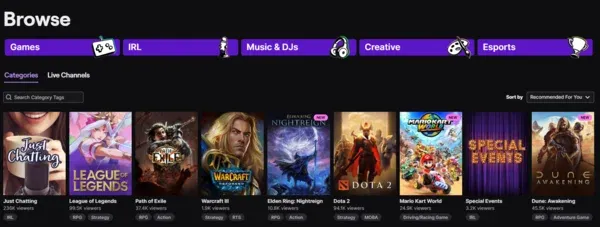
Start by searching your game’s category on Twitch. Look at the top streamers.
What do they all have in common? Is it a vibe? A format? Overlays? Chatbots? Take notes, not to copy, but to figure out what works.
Then scroll down to the bottom rows. The streamers with 0–2 viewers. Compare. What are they doing wrong? Usually:
- No camera
- Dead air
- Poor titles or thumbnails
- Inconsistent branding
The difference is usually obvious once you look. Learn from both ends of the ladder.
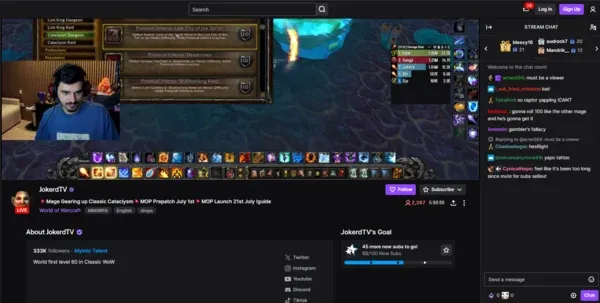
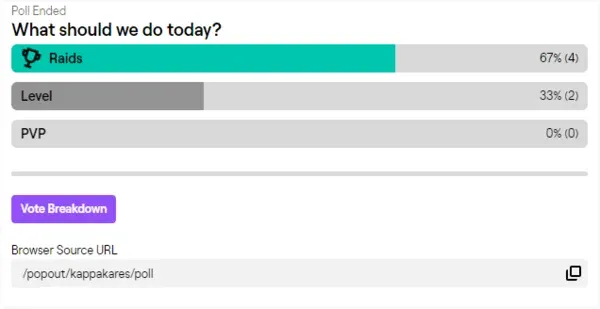
Example: If you want to stream WOW PVE content and do fast leveling like JokerdTV does, you might wanna check him out and analyze all of his work.
2. Pick a Niche
Twitch is not the place to “just wing it.”
If you’re streaming something new every week, people won’t stick around. Viewers follow for consistency.
You need to lock in a niche, especially early on.
- Love FPS? Make that your thing.
- Obsessed with cozy games and chill vibes? Own it.
- Speedrunning retro games? Build that into your brand.
Being “the chill Soulslike guy” or “the hyper League support main” gives people a reason to return. Niche first, variety later.
3. Identify Your Target Audience
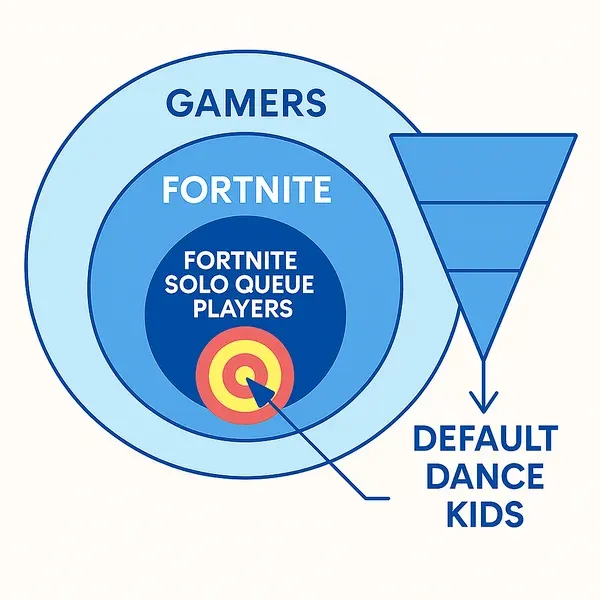
You’re not streaming to “gamers.” That’s too broad. You’re streaming to a specific tribe.
Maybe it’s:
- Tryhards who want sweaty plays
- Casuals looking for chill background noise
- Cracked teens grinding Valorant
- Horror nerds who love jump scares
Get ultra-specific. Then, talk to them directly. Your panels, stream titles, and even the jokes you make should reflect what they like.
4. Brand Your Channel
Most small streamers lose viewers before they even go live. Why? Their channel looks half-finished.
Fix that with consistent, simple branding:
- Pick a clean, unique username
- Add matching panels (bio, rules, socials)
- Use overlays that look like they belong together
- Create “BRB” and “Starting Soon” screens
You can find free Twitch templates online or grab affordable bundles on Fiverr.
5. Have a Professional Setup
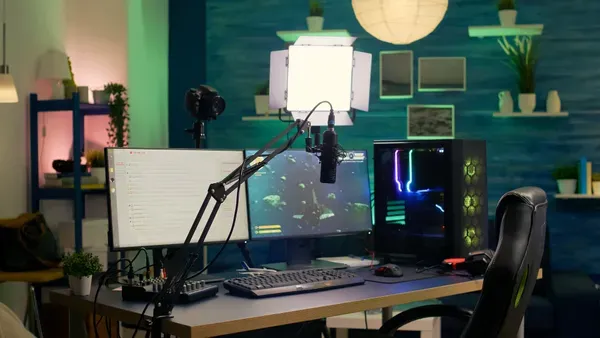
You don’t need a studio. But you do need a setup that doesn’t scream “2009 webcam energy.”
Bare minimum gear that gets the job done:
- Streaming software: OBS Studio or Streamlabs OBS
- Mic: Blue Snowball, Fifine K669, or anything better than a headset mic
- Webcam: 1080p with decent framing (no ceiling shots)
- Lighting: Ring light or even a desk lamp behind your monitor
- Connection: Ethernet > Wi-Fi. Always.
If your stream looks clean, sounds clear, and doesn’t buffer every five seconds, you’re already ahead of half the platform.
6. Create a Schedule and Stick to It
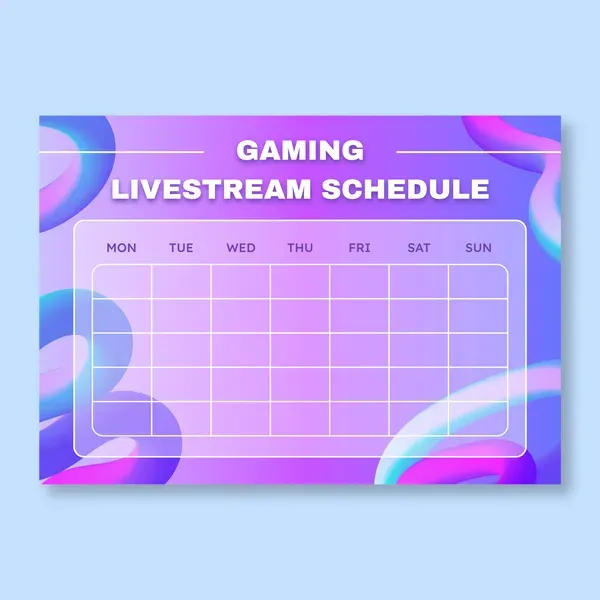
Streaming success = consistency. You don’t need to go live daily, 2 to 3 times a week works if you’re reliable.
- Set fixed stream days/times and display them in your Twitch banner.
- Announce each stream on Discord, Twitter, or Instagram Stories with a countdown.
- Missed one? Post a quick “reschedule” update. Silence = lost trust.
- Consistency feeds Twitch’s algorithm and teaches viewers when to show up.
Be predictable. If they can’t count on you, they won’t come back.
7. Optimize Your Twitch Profile to Get More Viewers
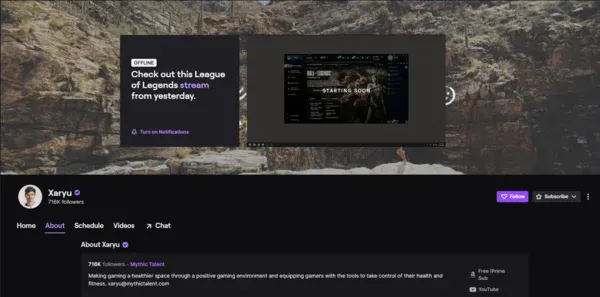
Start with a username that captures your vibe. Think memorable, not messy. It should hint at your niche, be easy to say, and feel unique, like it means something.
Then, match the name with a strong profile pic. You don’t need a designer, just pick something that instantly tells people what kind of streamer you are.

Now for your “About” section: short, bold, and on-brand. One or two lines that show your personality and what you stream. Use colors, fonts, and panels that all feel like they came from the same brain. It should look like you actually tried, because most people don’t.
8. Stream Less, Promote on YouTube and TikTok to Get More Viewers
Streaming for 6 hours to 2 people? Not helping. 70% of Twitch’s growth happens outside of Twitch.
Here’s how to fix it:

- Cut your stream time in half and spend it on editing.
- Post clips daily: fails, wins, jokes, tutorials.
- Tools like Crossclip or Streamladder help format content for vertical TikTok/Shorts.
- Add countdowns on Instagram Stories before each stream.
One viral TikTok or YT Short brings more new eyes than a month of low-view streams. Fish where the people are.
9. Have a Hook Early in Your Stream
Your first 30 seconds decide everything. Don’t waste them.
- Jump straight into gameplay or a hot take.
- Avoid dead air or long “Starting Soon” screens.
- Preview what’s coming up: “Today we’re finally beating X boss - no resets.”
Warm up your voice before going live so you’re chat-ready. People scroll fast. Give them a reason to stop and stay.
10. Engage With Twitch Viewers Instantly
Someone enters your stream? Talk to them immediately, even if they’re lurking.
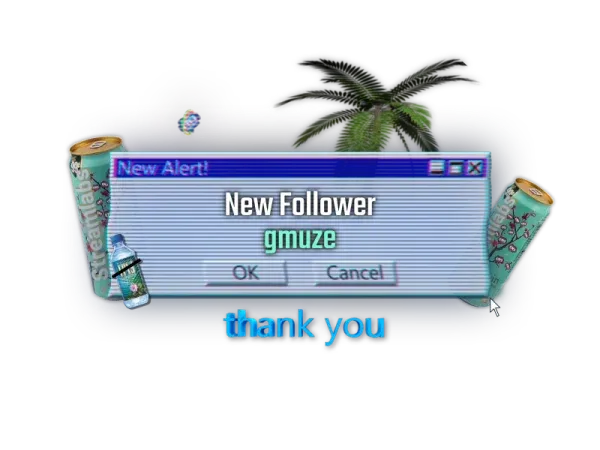
Set up an alert box using Streamlabs so follows, subs, and raids never go unnoticed. The ping gets your attention, and your reaction makes them feel seen.
Then keep the chat energy flowing:
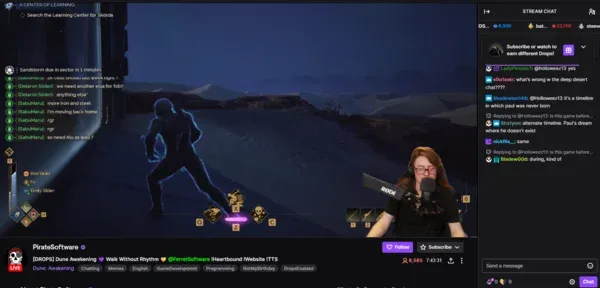
- Drop emotes often. They make chat feel alive, even with just a few viewers.
- Ask quick, easy questions: “Which build would you run?” or “Any horror game recs?”
- React to usernames. A simple “yo, [name]” goes a long way.
People don’t stick around if it’s quiet. Make your stream feel like a party, even if only two people showed up.
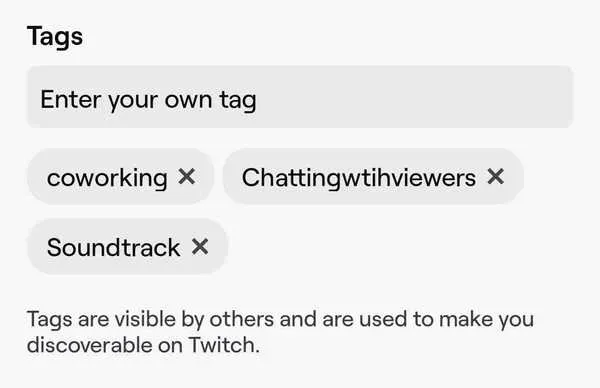
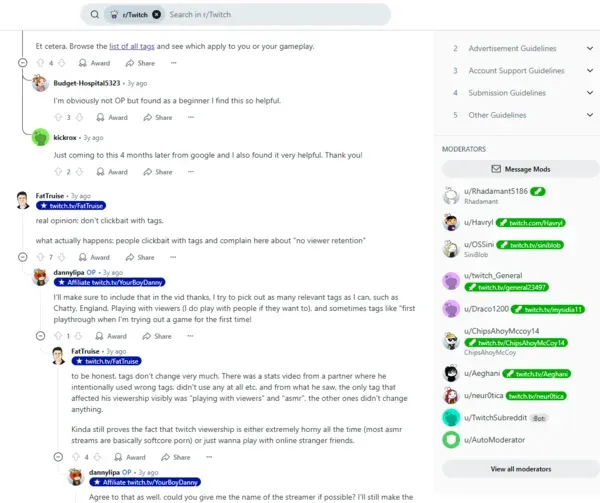
11. Use Smart Twitch Tags to Get More Viewers (2026 Update)
Twitch tags are how the right people find you.
Always start with game and language. Then add tags that actually describe the stream: “First Playthrough,” “Playing with Viewers,” “Challenge Run,” “No Spoilers.” These pull in viewers looking for a specific vibe or experience.
Want to connect with certain communities? Tags like “Black Streamer,” “VTuber,” “Woman Streamer” help viewers find people they relate to. Just don’t fake it, using identity tags that aren’t yours will wreck trust fast.
You can also tag content types like “Art,” “Music,” “Education,” or platform-specific ones like “PC” or “Switch.” Rotate situational tags depending on what you’re doing, but keep your identity ones consistent.
Avoid vague tags like “fun” or “chill” that everyone uses. Update tags around trends: patch days, in-game events, or new metas.
Smart tagging is how Twitch knows who to show you to. The more targeted the tag, the better chance you’ve got at sticking to the right audience.
12. Stream Smaller Games With Active Communities
Trying to grow in Fortnite or GTA V? Brutal.
Instead:
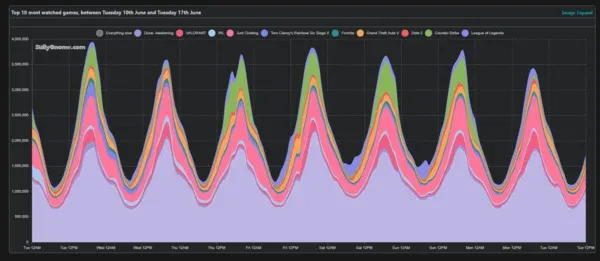
- Pick games with 500–2,000 viewers, enough eyes, not too much competition.
- Think fan-fave indies (e.g., Cult of the Lamb), retro PvP, or niche horror titles.
- Use SullyGnome or TwitchTracker to find underserved games with engaged viewers.
Smaller games = higher shelf space. And those players are usually more loyal, active, and excited to discover new streamers.
13. Raid and Be Raided
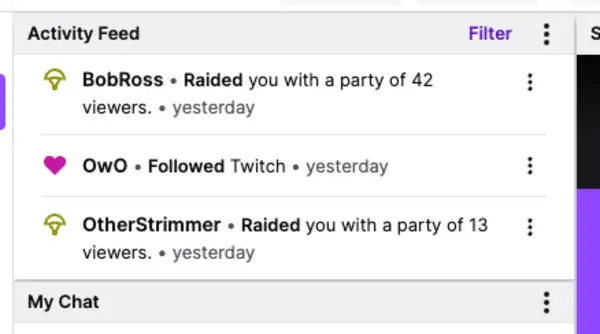
Twitch raids are free networking. Use them.
- Target similar-size creators in your genre. Don’t raid someone with 5,000 viewers if you average 20.
- Stick around in their chat after. Engage. Follow them. Be real.
- Next stream? They might raid you back, and with the right vibe, their viewers might even stay.
Throw in some FollowBot support beforehand, and that raid lands harder. You look more established, your numbers are up, and that other streamer sees potential collab value in you.
14. Build a Persona
People follow your gameplay. They stay for you.
Your persona = amplified version of you on camera. It doesn’t have to be fake, just intentional.
Examples:
- Dry, sarcastic game critic? Lean into that.
- Warm and chaotic cozy gamer? Make it your thing.
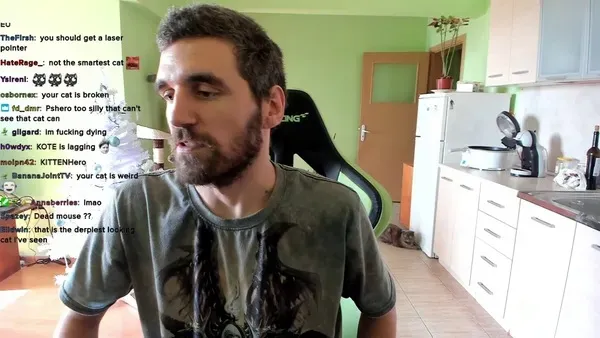
- Hardcore PVP nerd who teaches strats? The quiet and calm expert world PVPer like PSHero? Own it with confidence.
Be authentic, but bold. Give viewers a reason to remember you after they close the tab.
15. Join Twitch Communities on Discord & Reddit
Twitch doesn’t reward lone wolves. Get involved:
- Join Discord servers for streamers in your niche.
- Share clips, give feedback, participate in collabs.
- On Reddit (/r/Twitch), answer newbie questions or post thoughtful takes, people will check your profile.
- Drop your stream only when it fits naturally (like “here’s what I did”).
Most streamers grow by being part of something. Help someone troubleshoot OBS. Drop a useful tag tip. Answer questions.
16. Host and Co-Stream Events
Events break the monotony and give your stream energy spikes.
- Watch game reveals, tourneys, or esports matches with live commentary. Turn it into a shared experience.
- Run themed streams like “viewer game night” or “Twitch trivia challenge.”
- Collaborate with another streamer to co-host. It doubles the audience and feels more dynamic.
Even simple events build anticipation. And when people look forward to what’s next, they keep coming back. Drop a countdown, hype it on socials, and give the stream a theme.
17. Use Chat Bots and Channel Points Creatively (Recommended by Twitch)
Twitch says it directly: interactive features = better retention.
Start with channel points; they’re free to viewers and packed with potential. Good redemptions include:
- “Make me hydrate” or “pick my next game”
- Funny TTS (text-to-speech) messages
- Triggering on-screen emotes, memes, or sound effects
- Temporary visual overlays (e.g., rainbow cam for 60 seconds)
Then layer in chatbots to keep things moving:
- Run custom polls, jokes, or minigames
- Add loyalty points for watching
- Auto-shoutout new followers or raiders
If your chat’s slow, it’s a tough first impression. That’s where Viewbotter’s ChatBot steps in, filling in the dead air with custom personalities, polls, jokes, and reactions that feel like real viewers.
18. Give Value (Education or Entertainment)
What do you offer that’s helpful, funny, or just plain addicting?
- Teach your class setup in WoW, or how to kite bosses in Elden Ring
- Break down Apex recoil control live
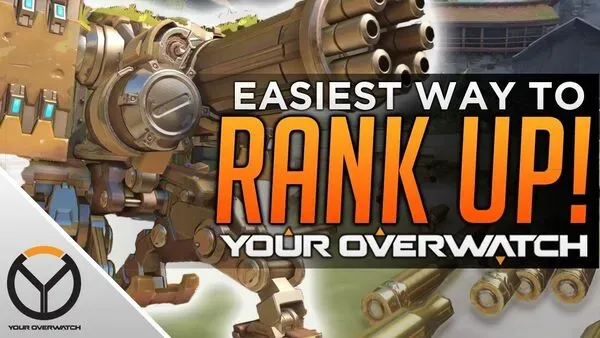
- Share your Overwatch ranked climb strategies
- OR just go full entertainment; funny accents, spicy takes, improv chaos
If someone leaves your stream feeling better, smarter, or hyped? They’ll follow. Guaranteed.
19. Name Your Streams Intentionally to Attract More Viewers
Your title is your click magnet. Use it wisely.
The first 35 characters show up on previews.
Do:
- ✅ Hook curiosity
- ✅ Make it personal
- ✅ Tease action
Don’t:
- ❌ Start with commands like !discord or !donate
- ❌ Write “Road to Affiliate” (everyone’s doing that)
- ❌ Leave it generic (“Just Chilling” = ignored)
Test titles like headlines. Your future viewers are scrolling fast.
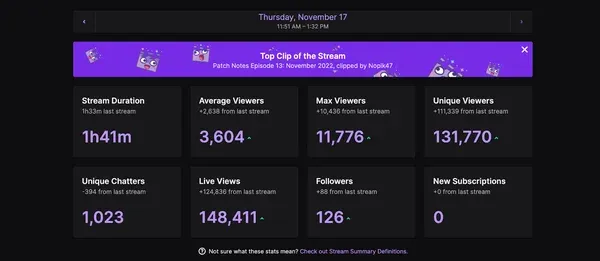
20. Track Your Stats Weekly
Growth without data is guessing.
Head to your Twitch Creator Dashboard → Insights → Channel Analytics.
What to look for:
- Highest view count: What game/time was that?
- Viewer drop-off: What made people leave?
- Average watch time: Are people sticking around or bouncing?
Then adjust. If Tuesdays at 8 PM do better, schedule around that. If your chat pops off during certain games, focus there.
Pro tip: When you use ViewerBot, you’ll notice an immediate impact in your analytics. Not just higher numbers, but how organic traffic responds to a busier stream.
21. Stream on Twitch and Other Platforms Simultaneously
Don’t tie your entire growth strategy to Twitch alone.
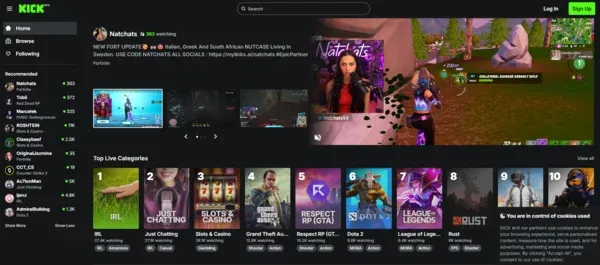
Platforms like Kick, YouTube Live, and even Facebook Gaming are worth exploring, especially if your Twitch discoverability has hit a wall.
YouTube’s algorithm can still push your live content to new viewers if you title and tag it right.
And Kick? It’s still new enough that niche content can stand out fast.
Some streamers simulcast with tools like Restream.io or Streamlabs Ultra. Others use alt-platforms for backups or special events. Either way, testing other ecosystems is smart, especially when Twitch isn’t showing you love.
22. Collaborate with Other Streamers
Twitch isn’t a solo sport. Some of the fastest-growing streamers teamed up early and helped each other blow up.
Want real results?
- Hang out in chats of streamers your size. Drop support.
- Host or raid them before you ask for anything.
- Once there’s mutual respect, suggest co-streaming.
Even low-viewer streamers notice repeat names in chat. Be one of those names, then build something together.
23. Use a View Bot Service to Get More Viewers (ViewBotter)
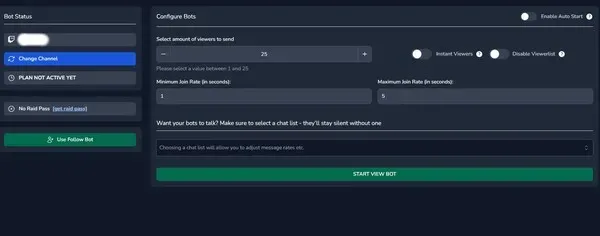
Grinding from zero sucks. ViewBotter gives you that crucial boost while still looking 100% natural.
- Viewers show up with real profiles and chat like real humans.
- Chatbots can joke, react to emotes, or even ask questions during a stream.
- You control the speed, timing, and vibe.
It’s like giving your stream a head start in the race, just with AI-powered fans cheering you on.
Oh, and yes, we give you a free trial to test it out. Try before you judge.
24. A/B Test Everything
Guesswork is holding you back. Start testing things on purpose.
Test:
- Streaming at 7PM vs. 10PM
- Vibe of overlays (clean vs. chaotic)
- Facecam size or camera angle
- Title tone: helpful vs. funny
Keep notes. Twitch analytics don’t lie. A/B testing turns small changes into big gains, especially once you know what grabs your viewers best.
25. Create a Positive Environment (PPC: Possibility, Positivity, Community)
Toxicity kills channels fast. Popular WoW streamer Payo has a rule: PPC, Possibility, Positivity, Community. And it works.
Here’s how to do it:
- Shut down drama and hate early. Ban trolls fast.
- Make space for emotes, jokes, and chill convos.
- Keep things moving with good energy.
No one brags about watching a downer stream. But they’ll talk about yours if it feels like home.
26. Enable TikTok Clip Sharing
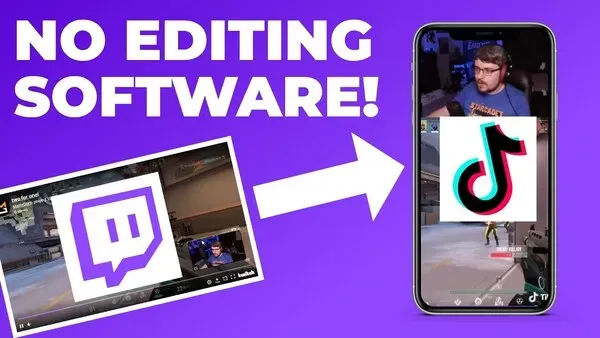
Twitch now lets viewers post your clips directly to TikTok. You just have to enable the feature.
So next time something hilarious or hype happens:
- Hit the Clip button (or ask chat to clip it)
- Make sure you’ve turned on the TikTok sharing option in your settings
- Repost your best moments to TikTok, YouTube Shorts, and Reels
Then caption it like: “That moment when chat sabotaged my Stardew marriage – Live now on Twitch!”
Short-form drives cold traffic. Let your clips do the work while you sleep.
27. React to Trending Topics or Games to Get More Viewers on Twitch
When a game drops or drama pops, ride the wave.
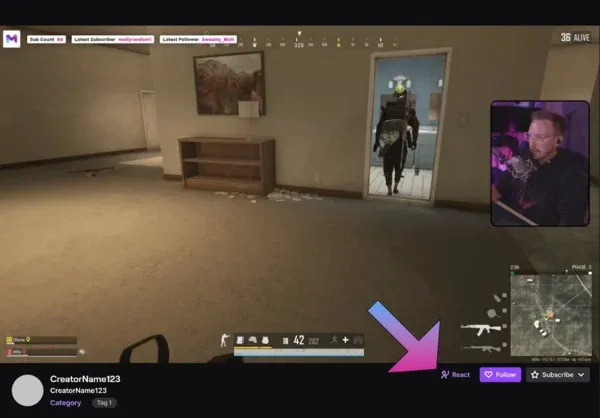
Streaming something brand-new, like a launch-day title, major update, or even an influencer controversy, can catapult you onto more For You pages and stream lists.
But don’t fake interest. Pick trends that actually fit your vibe.
Trends fade fast. Catch them while they’re hot, then pull new viewers into your regular content.
28. Be Patient and Consistent
This one’s boring. But it’s also the most real.
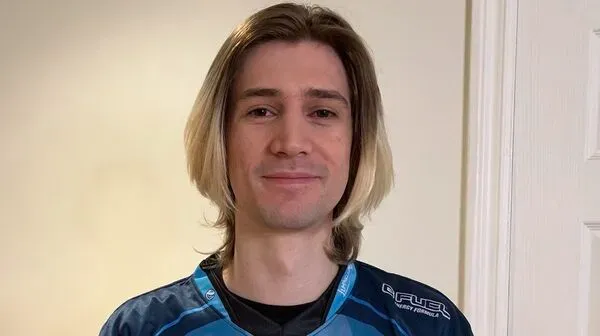
xQc didn’t blow up overnight. He streamed nonstop for years, barely taking breaks. While you don’t need that intensity, the message is clear: growth takes time and trust.
Try this:
- Lock in a schedule (3x a week is fine)
- Don’t panic if viewership dips
- Use low-view streams to practice new content, test hooks, or polish your energy
Consistency trains the algorithm and your audience. The only way to win this game is by not quitting too early.
29. Build a Real Community Off-Stream
If Twitch is your stage, socials are your greenroom.
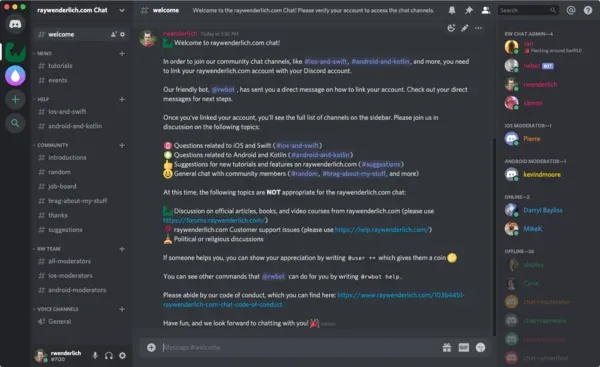
Streamers who grow fast almost always build a second home on Discord, TikTok, Reddit, or Twitter. Why? Because Twitch is bad at notifications, but your community isn’t.
Do this:
- Start a Discord server and actually hang out there
- Use Instagram Stories for schedule updates or goofy BTS pics
- Drop TikTok clips daily with a pinned CTA
- Post memes, polls, or random “pick my build” threads on X or Reddit
Key Takeaways
If there’s one thing to remember, it’s this: growth on Twitch isn’t random. It’s not luck. It’s a system.
The streamers getting views in 2026 are doing more than just hitting “Go Live.” They’re choosing smart tags, writing scroll-stopping titles, using bots to boost early momentum, and actually showing up for their communities, on and off Twitch.
If you’re serious about growing, start using tools that work while you sleep. ViewBotter gives you real-looking viewers, chatters, and clips that make your channel look alive, so actual humans are more likely to stay. No BS, no fake promises.
👉 Try ViewBotter for free and see what real traction feels like.