What Is Twitch? Parent’s Guide (Why Kids Can’t Stop Watching)
Twitch is the world’s biggest live streaming platform, where millions tune in daily to watch people play games, chat, create, and connect in real time. Originally built for gamers, it’s now home to everything from esports tournaments to cooking shows and music streams.
With over 240 million monthly users, Twitch has evolved into the internet’s go-to place for live entertainment, community, and conversation. And if your kids love games, chances are they already know what Twitch is, even if you don’t yet.
What Is Twitch?
Twitch is a live streaming site and app where creators (“streamers”) broadcast a live video feed with audio commentary while viewers watch and chat along. It spun out of Justin.tv in 2011 and was acquired by Amazon in 2014 (for just under a billion dollars), which is why you’ll see perks that connect with Prime.
Early Twitch was almost all video game content. Now, the platform features talk shows, hangouts, creative arts, music, travel, and esports tournaments.
You don’t need a Twitch account to watch streams. But to chat, follow channels, subscribe, or go live yourself, you’ll need to sign up. Twitch works on web browsers, iOS/Android apps, smart TVs, and game consoles, basically anywhere a teen can watch a live broadcast.
Twitch has its own Community Guidelines and age rules,13+ to use the service, and under-18s are expected to use it with parental supervision per Twitch’s terms. Some games and categories skew mature; creators can (and should) label sensitive content so families can make informed choices.
What Is Twitch Used For?
-
Gaming streams: Still Twitch’s main stage. Creators like xQc and Ninja pull massive crowds playing Fortnite, Valorant, or Minecraft, mixing gameplay with instant reactions and chaos.
-
Just Chatting / IRL: Streamers such as Kai Cenat and Pokimane hang out, tell stories, or react to memes with fans, like a live talk show without the script.
-
Esports & live events: Big-name competitions like League of Legends Worlds or Call of Duty Majors stream here, often hosted by pros like Ludwig or Shroud.
-
Music, art, and fitness: DJs like T-Pain, artists like Bob Ross (yes, still), and fitness creators run live sessions that feel part show, part community hangout.
The common thread is the real-time interactivity and a sense of “we’re in the room together,” which is why young people find it magnetic.
How Does Twitch Work?
Twitch runs like live, interactive TV, but for the internet generation. Anyone can stream or watch in real time, join chat, and become part of a creator’s community.
How it works depends on your role: are you there to watch streams or to go live yourself?
Use Twitch as a Streamer
Creators set up a channel, connect streaming software (like OBS), and go live with a camera/mic or just gameplay. The stream appears with chat alongside, and viewers can follow (free) or subscribe (a monthly fee for exclusive content and emotes).
Streamers moderate chat, label mature topics, and manage alerts and overlays. As they grow, some join the partner program (Twitch Partner) with additional features.
Use Twitch as a Viewer
Viewers browse categories or search for creators, click into a live stream, and chat in real time. Without an account, you can watch; with an account, you can follow, chat, cheer, and subscribe.
Streams often feature a camera box, the game feed, and live reactions with on-screen alerts when someone follows or tips.
Is Twitch Free?
Yes. Watching on Twitch is free and ad-supported. Most channels allow anyone to watch without paying, and many creators keep VODs or pre recorded videos available. However, if someone wants to spend money, they can pay for:
-
Subscriptions (monthly support, unlocks badges/emotes)
-
Bits/cheers (small one-off micro-tips)
-
Direct donations via services like PayPal or tipping tools
If your family has Amazon Prime, you can connect it to the Twitch account to use Prime Gaming, which includes one free channel subscription each month plus rotating game perks. Parents should discuss spending rules, because there’s no built-in parental PIN for purchases, so household guidelines matter for safety.
How Do Streamers Make Money on Twitch?
Plenty stream just for fun. Some turn it into a side income, or a career, by mixing revenue sources:
| Revenue Source | What It Is | What Viewers See | Notes for Parents |
|---|---|---|---|
| Subscriptions | A monthly subscription income that unlocks emotes, badges, and perks | “Subscribe” button; special sub alerts | Creators typically get a revenue split on subs |
| Bits / Cheers | Twitch’s micro-tipping currency | Animated “cheer” messages in chat | Small amounts add up; each Bit is a fraction of a dollar |
| Direct donations | Off-Twitch tips (PayPal, tip jars) | “New tip” alerts; thank-yous on stream | Not handled by Twitch; discuss spending rules with kids |
| Ads | Short ad breaks during streams | Mid-rolls or pre-rolls | Creators earn ad revenue; viewers can avoid many ads by subbing |
| Sponsorships / affiliate links | Brand deals; product links | On-screen promos, panels | Common across social media platforms |
| Merch & services | Creator’s store, coaching, private communities | Links in channel panels | Off-platform purchases |
Curious how tipping adds up? Use our quick Twitch Bits to USD tool for transparent math.
Twitch vs YouTube vs Kick — Key Differences
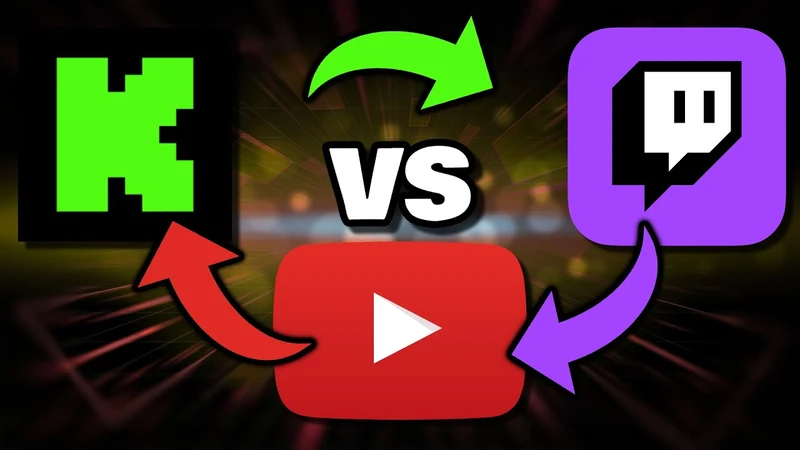
Twitch, YouTube, and Kick all let people stream live, but they work differently. Twitch has the biggest community. YouTube helps videos get found fast. Kick pays more.
Here’s a quick look at what sets them apart:
-
Culture & format: Twitch leans live streaming and chat-first culture; YouTube mixes live with a massive library and algorithmic discovery of pre-recorded content; Kick markets relaxed guidelines and a different revenue emphasis.
-
Discoverability: YouTube’s algorithm favors content discovery via recommendations; Twitch is more directory-based and community driven; Kick is newer with evolving surfacing.
-
Payout models: Twitch takes about 50/50 from subs, YouTube around 55/45, and Kick leads with a 95/5 split. Ad revenue and partner rules also change by platform.
If you’re comparing platforms, we break down the creator trade-offs in plain English here: Twitch vs. Kick: Pros and Cons.
Is Twitch Safe?
Yes, Twitch is safe, it bans explicit sexual content, but inappropriate content can appear (mature humor, language, or suggestive attire).
Some games are M for Mature, and creators are required to toggle Content Classification Labels (CCLs) for topics like sexual themes, drugs/intoxication, gambling, significant profanity, or violent/graphic depictions.
Viewers can also adjust Content Display Preferences to hide or blur certain labeled content.
-
Parents can advise kids to hide whispers from strangers, block/report bad actors, and use chat filters for slurs or profanity.
-
13+ minimum, and under-18s should use Twitch with parent supervision per policy.
Best Tips to Keep Your Children Safe on Twitch
-
Use common areas: Keep Twitch on the family TV, living room PC, or a visible tablet spot.
-
Talk through safety tools: Show kids how to hide DMs, adjust chat filters, and report issues.
-
Watch together (sometimes): Sample their favorite channels so you understand the vibe.
-
Discuss time limits: Twitch is a cozy second-screen; set boundaries like you would for TV.
-
Explain age rules: Use real birthdates, and reiterate why 13+ matters for privacy and account safety.
Why Do People Watch Twitch? (Psychology of Streaming Culture)
-
Community & parasocial bonds: Fans feel connected to popular streamers and to each other. It’s a community hangout, not just a show.
-
Second-screen comfort: Streams function like a friendly radio station, ambient company while doing homework or chores.
-
Interactivity: Viewers can ask a question and get a live answer. That two-way loop makes Twitch different from other streaming platforms or traditional TV.
For young people, that blend of belonging + background entertainment + interaction explains why Twitch competes with professional sports broadcasts and bingeable shows for attention.
Can Anyone Start Streaming on Twitch?
Yep. If your teen is 13+ (with supervision under 18), has a stable internet connection and a basic PC/console, they can start. We’ve got a beginner-friendly setup checklist on how to start streaming on Twitch.
If they later want to grow, Twitch discoverability can be tough at zero viewers; short-form clips and smart titles help. Advanced creators sometimes layer tools like ViewerBot, ChatBot, and FollowBot to avoid “empty room” syndrome, then focus on making high quality content that keeps real people around.
The Future of Twitch — Will Kick or YouTube Replace It?
Twitch remains the largest live streaming platform culturally, but creators often post to other platforms too (YouTube for long-term discovery; short-form apps for outreach).
Some migrate or multi-platform stream for better splits or policies. The real trend isn’t replacement; it’s hybrid presence, stream on Twitch, grow via clips elsewhere, and keep community ties strong.
Our guide on whether being a Twitch streamer is worth it breaks down the real side of it, from burnout risks to how top creators make it sustainable.
Conclusion
So, what is Twitch?
A live, interactive TV for the internet generation, part watch party, part group chat, part performance.
It can be perfectly wholesome (speedrunning, music practice, cozy art) and sometimes messy (mature humor, heated chats), which is why safety conversations at home really matter.
If your teen wants to stream, start simple, keep it supervised, and prioritize healthy habits.
And when they’re ready to grow beyond the zero-viewer wall, tools like ViewerBot, ChatBot, and FollowBot can help them avoid empty rooms while they learn the craft.
FAQs
Is Twitch appropriate for kids?
Twitch can be safe for teens if used with supervision. The platform requires users to be 13 or older, and parents should guide content choices.
Some streams may include mature themes or language, so using content filters and watching together is best.
What do people usually do on Twitch?
Most users watch live streams, chat, and support creators.
Streamers typically play games, host “Just Chatting” sessions, or stream music, art, and events. It’s a mix of entertainment and real-time conversation between creators and their audiences.
Is there inappropriate content on Twitch?
Twitch bans explicit sexual content but allows mature-rated games and some adult humor.
Streamers are required to use content classification labels for topics like violence, profanity, or gambling. Parents can filter or block these categories in account settings.
How is Twitch different from YouTube?
Twitch focuses on live, interactive broadcasts, while YouTube centers on pre-recorded videos and algorithmic recommendations.
Twitch is community-driven, built around real-time chat, and emphasizes creator-viewer interaction over edited content.
Is Twitch a dating site?
No. Twitch is not designed for dating. It’s a live streaming and community platform where people connect through shared interests, not for romantic or personal relationships.
Is Twitch good or bad?
It depends on how it’s used. Twitch can be a fun, creative outlet for learning, gaming, and community, but it can also expose viewers to mature topics.
Parental guidance and time limits help keep it positive.
Is Twitch free with Amazon Prime?
Yes. Amazon Prime members get Prime Gaming, which includes one free Twitch subscription per month, exclusive game loot, and bonus perks.
Watching streams is always free, with optional subscriptions and donations for extra support.